EXECUTIVE SUMMARY
Overview
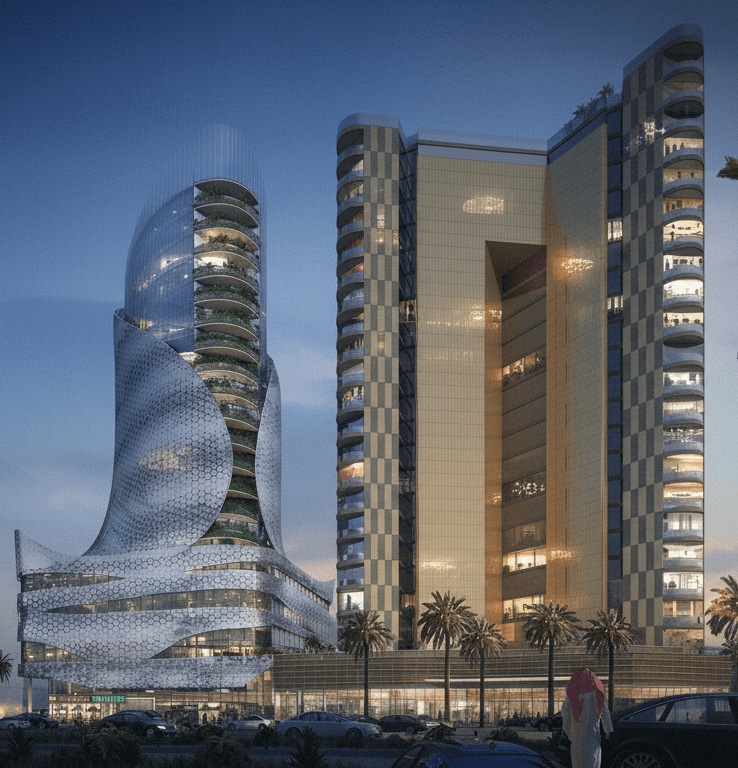
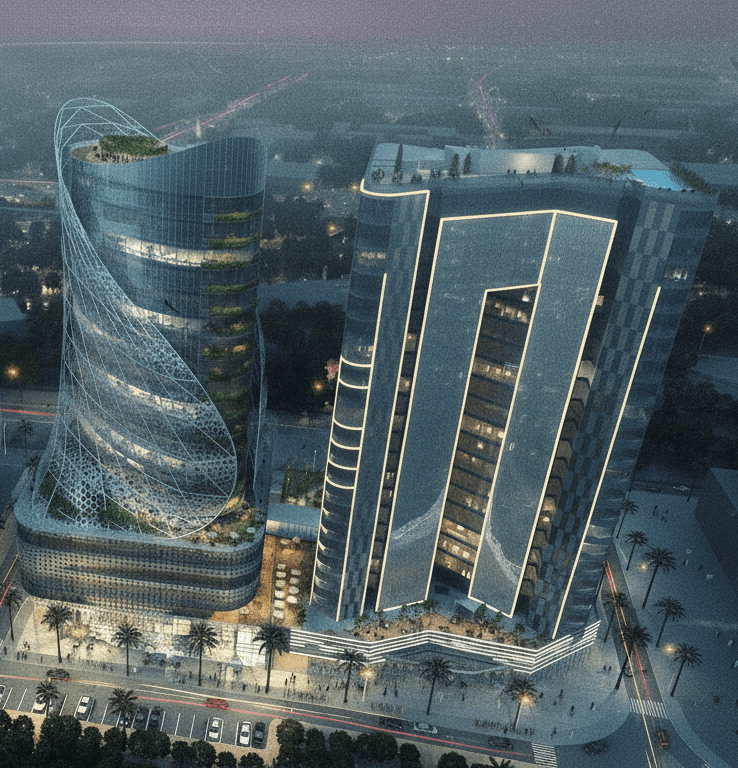
Led the schematic design and client-facing coordination for Danat Al Khaleej Hospital, a 250-bed specialist hospital in Dubai focused on mother and child healthcare. At approximately 40,000 sqm and with a project value of $110M, the scheme brought together complex clinical functions including LDRP suites, NICU/PICU units, operating theatres, IVF, renal dialysis and outpatient services within a single integrated healthcare environment.
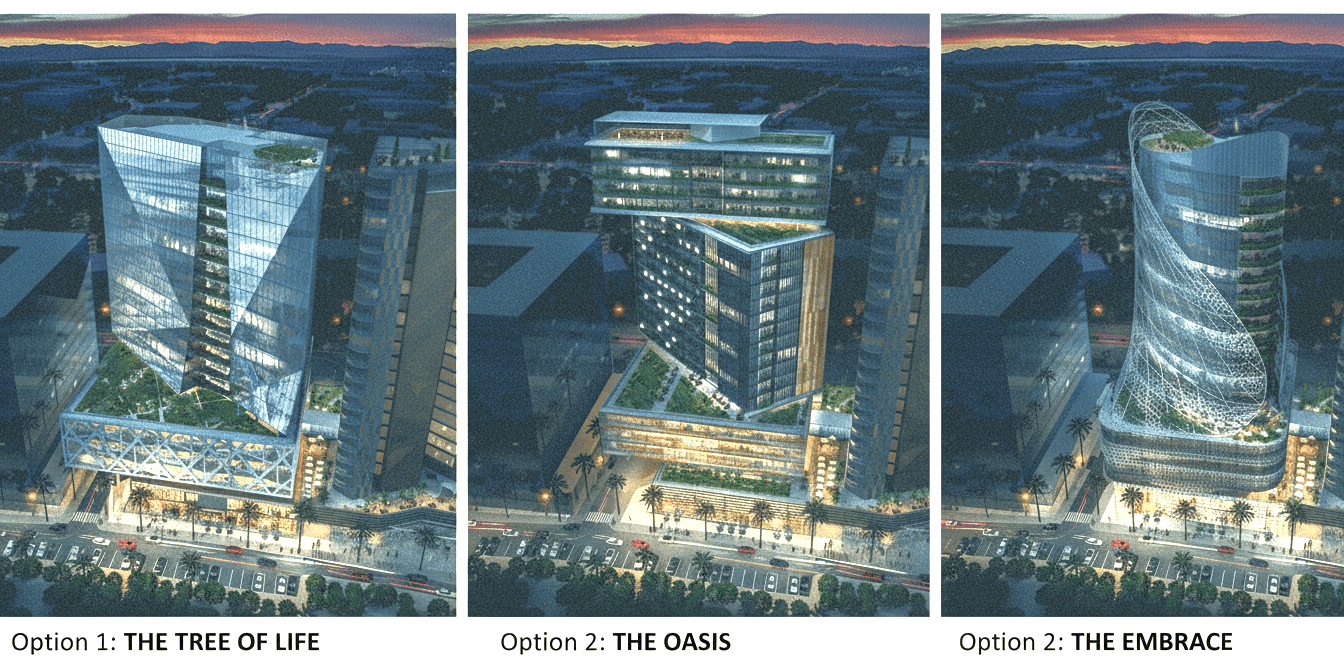
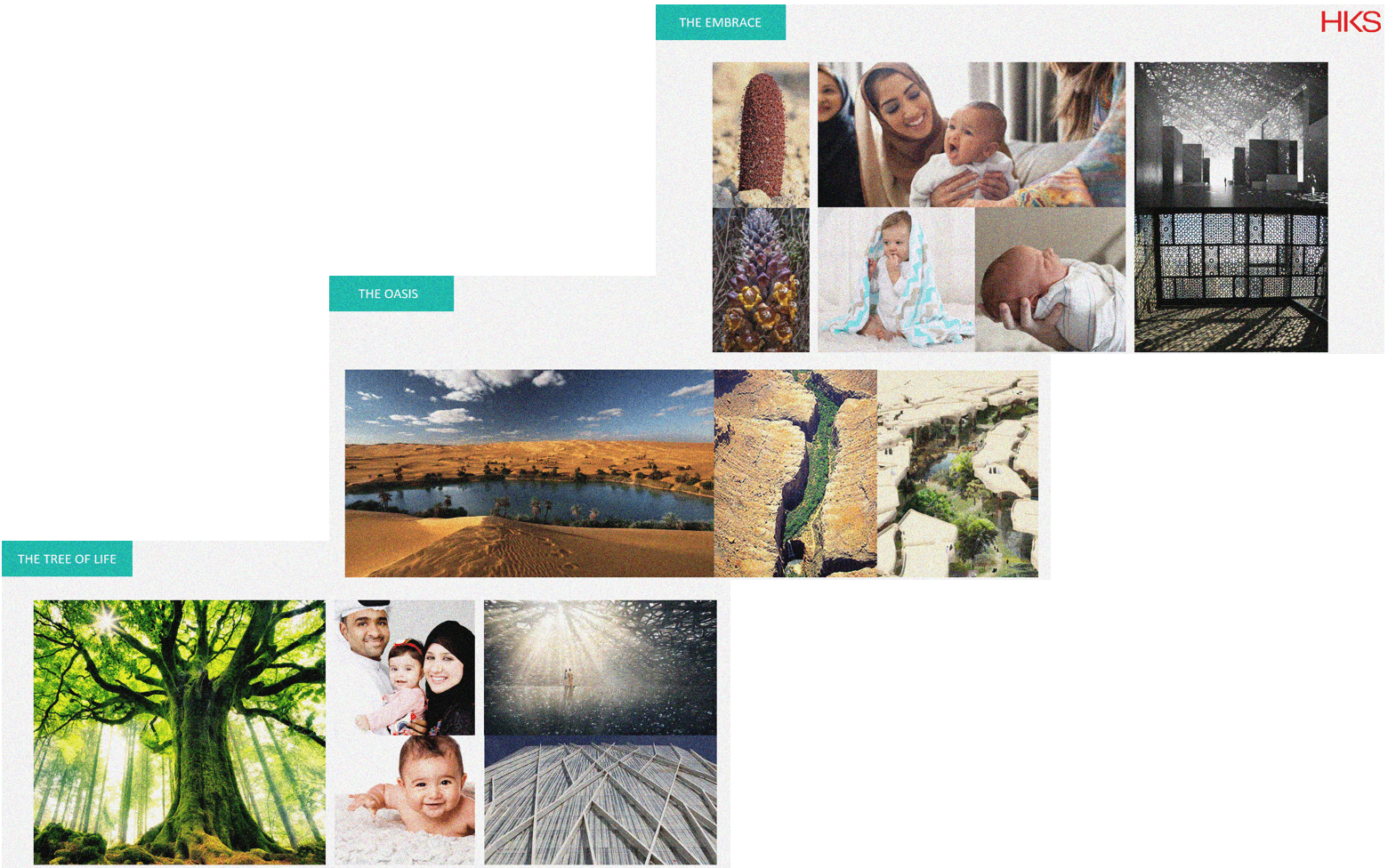
As Project Director, I oversaw the alignment of healthcare planning, architectural design, consultant coordination and client requirements to shape a hospital concept centred on clinical performance, patient dignity and family experience. The design combined evidence-based planning, intuitive circulation and environmentally responsive strategies to create a high-quality specialist care setting appropriate to the Dubai context.
The value of the role lay in translating complex specialist clinical requirements into a clear and coherent schematic design strategy — balancing operational effectiveness, patient-centred care and commercial realism within a technically demanding private healthcare project.
Role:
Project Director
Portfolio:
Specialist Healthcare Development
Assets:
Mother and Child Hospital, Clinical Facilities & Family-Centred Care Environment
Scope:
Schematic Design, Client Leadership & Consultant Coordination
Date:
2018
Status:
Developed Design Complete
MY ROLE
Role
Project Director and client-facing lead responsible for steering the schematic design of a specialist women’s and children’s hospital, translating clinical and commercial objectives into a coherent and development-ready healthcare design strategy.
Ownership
Led the schematic design process across architecture, healthcare planning and engineering coordination, ensuring that specialist maternal, neonatal, paediatric and outpatient functions were integrated into a clinically effective, operationally clear and patient-centred hospital concept.
Interfaces
Primary interface with MOBH Holding Group, while coordinating multidisciplinary healthcare design inputs across HKS teams in Singapore and London. Also directed the appointment and management of key sub-consultants, including structural, MEP and cost disciplines.
APPROACH / METHOD
1_Clinical and Family-Centred Planning
Structured the hospital around the specialist requirements of mother and child care, integrating LDRP, neonatal and paediatric functions, outpatient services and support spaces within a coherent clinical planning framework.
2_Patient Experience by Design
Applied evidence-based design principles to support comfort, privacy, legibility and wellbeing, using natural light, intuitive wayfinding and healing environments to enhance the experience of patients, families and staff.
3_Circulation and Operational Clarity
Developed an On-Stage / Off-Stage circulation strategy separating public, clinical and service flows to improve privacy, safety and operational efficiency across the hospital environment.
4_Consultant and Client Leadership
Managed international consultant teams and specialist sub-consultants through schematic design, aligning clinical ambition, technical requirements, sustainability priorities and project feasibility.
KEY OUTPUTS
Specialist Hospital Planning Strategy
Schematic design framework aligning maternal, neonatal, paediatric, surgical and outpatient functions within an integrated specialist healthcare environment.
Patient and Family Experience Model
Design approach prioritising dignity, comfort, wayfinding and therapeutic quality across key patient-facing and family-support spaces.
Circulation and Privacy Framework
Structured movement strategy separating public and operational flows to improve security, efficiency and patient experience.
Multidisciplinary Design Coordination
Coordinated schematic design platform integrating architecture, engineering, cost and specialist healthcare planning inputs.
Environmentally Responsive Design Basis
Concept approach incorporating passive performance measures, xeriscaping and resilience strategies suited to Dubai’s climate.
STRATEGIC INSIGHTS
Specialist Care Demands Precision
Women’s and children’s hospitals require highly disciplined planning, as clinical adjacencies, privacy, emotional comfort and operational flows all have a direct impact on care quality.
Patient Experience is a Clinical Tool
In specialist healthcare, design quality is not cosmetic; light, legibility, calm and family support directly influence confidence, wellbeing and the overall care environment.
Flow Protects Performance
Clear separation of public, clinical and service circulation is fundamental in complex hospital settings, supporting privacy, safety and operational effectiveness from the earliest design stages.
IMPACT / OUTCOMES
Established a robust schematic design strategy for a major specialist hospital in Dubai, aligning healthcare planning, consultant coordination and client ambition around a high-quality mother and child care environment.
The project demonstrated the value of structured design leadership in specialist healthcare, integrating clinical complexity, patient experience, sustainability and operational clarity within a commercially significant private-sector development.
Beyond the immediate schematic design outcome, the work showed how disciplined planning and client-facing leadership can create a stronger foundation for specialist care environments where dignity, performance and family support are central to the design brief.