EXECUTIVE SUMMARY
Overview
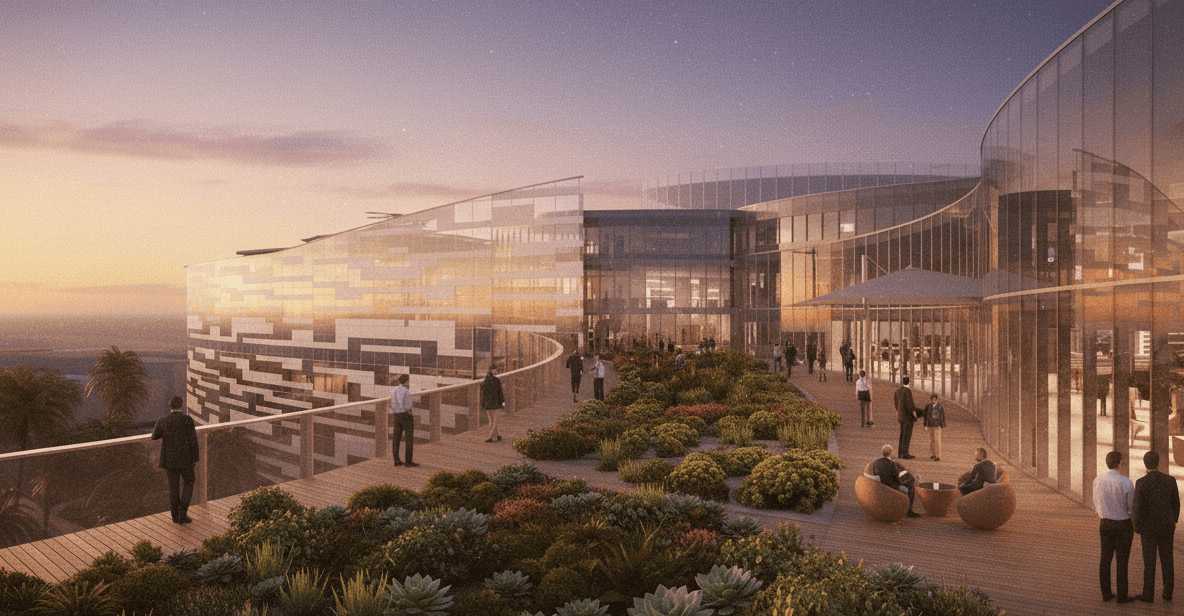
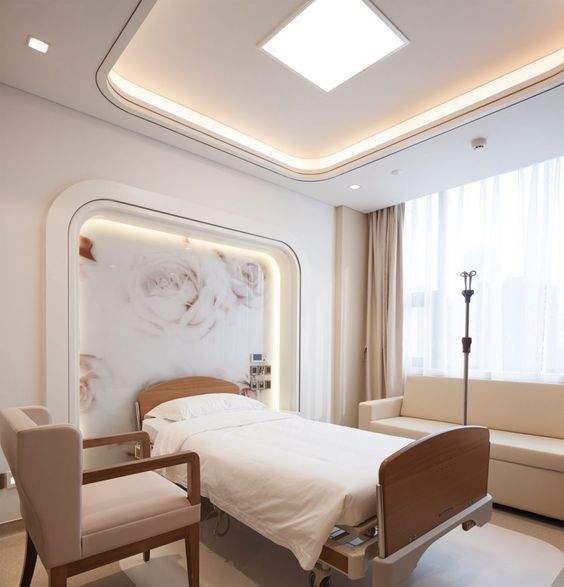
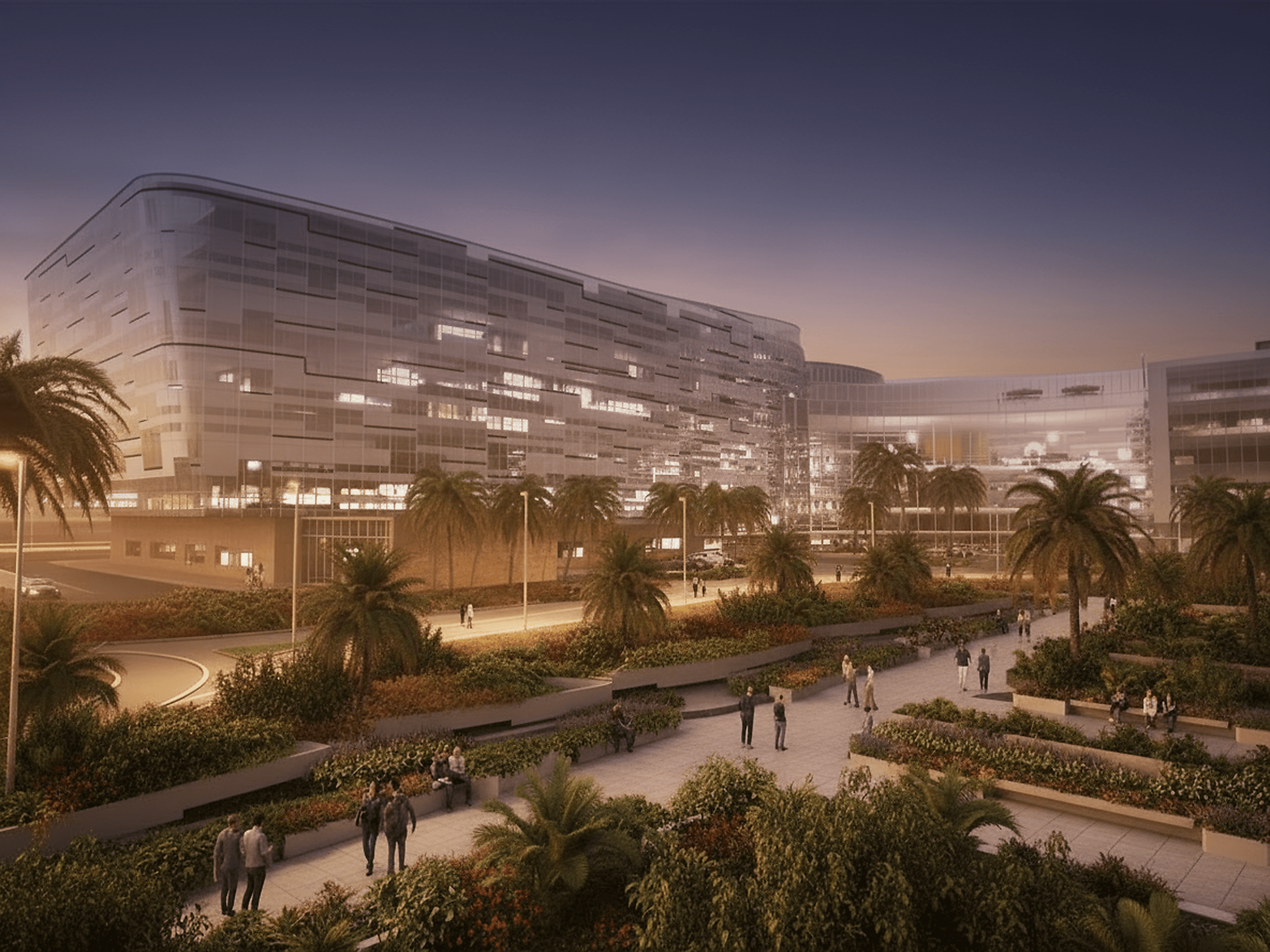
Led the concept design and client-facing coordination for IMPZ Specialist Hospital, a major private healthcare development in Dubai created through the transformation of an originally planned four-building office complex into a 500-bed specialist hospital and wider healthcare ecosystem.
At approximately 114,000 sqm and with a construction value of $300M, the project required the strategic repositioning of an existing commercial development into a high-performance medical environment. As Project Director, I oversaw the alignment of healthcare planning, architectural design, engineering inputs and consultant coordination to establish a robust concept framework responsive to clinical requirements, technical constraints and commercial objectives.
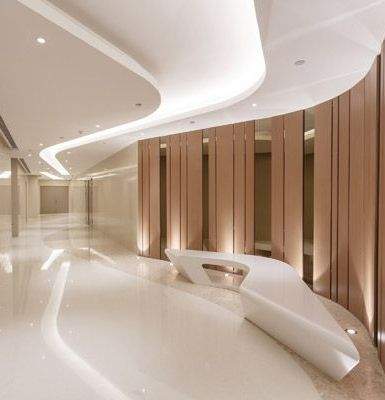
The value of the role lay in bringing structure and clarity to a highly complex conversion challenge — helping translate client ambition into a viable healthcare design strategy that balanced patient experience, operational performance and the realities of adapting an existing building framework.
Role:
Project Director
Portfolio:
Private Healthcare Development / Adaptive Reuse
Assets:
Specialist Hospital, Healthcare Ecosystem & Adaptive Reuse Conversion
Scope:
Concept Design, Client Leadership & Consultant Coordination
Date:
2018
Status:
Developed Design Complete
MY ROLE
Role
Project Director and client-facing lead responsible for steering the concept design of a large-scale specialist hospital development, translating client ambition into a viable and strategically coherent healthcare design proposition.
Ownership
Led the concept design process across architecture, healthcare planning and engineering coordination, ensuring the transition from a commercial building framework to a specialist medical facility was both operationally credible and technically viable.
Interfaces
Primary interface with MOBH Holding Group, while coordinating multidisciplinary healthcare design inputs across HKS teams in Singapore and London. Also led the appointment and management of key sub-consultants, including structural, MEP and cost disciplines.
APPROACH / METHOD
1_Adaptive Repositioning
Reframed an office-led development as a specialist healthcare asset, establishing a concept strategy capable of reconciling existing structural conditions with complex clinical, operational and technical requirements.
2_Healthcare Planning Integration
Coordinated specialist healthcare planning inputs to align patient flows, clinical adjacencies, support services and technical systems within the constraints of a pre-existing building framework.
3_Consultant and Client Leadership
Managed international design teams and specialist sub-consultants while acting as the key client-facing lead, maintaining alignment between design ambition, technical feasibility and commercial priorities.
4_Concept Design Control
Directed the concept stage toward a coherent and development-ready healthcare proposition, balancing patient experience, medical functionality, life-safety requirements and commercial viability.
KEY OUTPUTS
Conversion Design Strategy
Concept-level strategy for transforming a substantially advanced office development into a specialist healthcare environment.
Clinical and Spatial Planning Basis
Integrated planning framework supporting clinical workflows, patient movement, support spaces and operational efficiency at concept stage.
Consultant Coordination Platform
Structured coordination process aligning architecture, engineering, cost and specialist healthcare inputs across international teams.
Client Decision Framework
Clear design narratives and review materials supporting informed client decision-making throughout the concept stage.
Robust Concept Design Basis
Robust concept platform establishing the strategic, spatial and technical direction for a complex healthcare conversion project.
STRATEGIC INSIGHTS
Conversion Adds Complexity
Transforming commercial buildings into healthcare assets introduces major planning, servicing and life-safety challenges that must be addressed early through disciplined concept leadership.
Healthcare Planning Drives Design
In hospital projects, architectural quality depends on the successful integration of clinical logic, patient flow, technical systems and operational requirements from the outset.
Client Leadership Shapes Outcomes
Complex healthcare projects require strong client-facing leadership and consultant coordination to maintain alignment between ambition, feasibility and programme realities.
IMPACT / OUTCOMES
Established a clear concept design strategy for the transformation of a commercial office development into a major specialist hospital in Dubai.
The project demonstrated the value of structured design leadership at concept stage, aligning healthcare planning, consultant coordination and client decision-making around a technically complex and commercially significant private healthcare asset. B
eyond the immediate concept outcome, the work showed how disciplined healthcare planning and adaptive reuse strategy can unlock viable medical environments from non-healthcare building stock, creating a stronger basis for subsequent development.